What Makes a Website Look Cheap (And How to Fix It)
There’s a version of this problem that shows up in almost every initial client conversation: the business owner knows something is wrong with their site, they just can’t name it. Traffic comes in, and people leave. The service is solid. The pricing is fair. But the site isn’t closing the gap between “found you” and “hired you.” The answer is almost always visual credibility, and visual credibility is almost always about a cluster of small decisions that compound into an overall impression. Visitors don’t audit your typography. They feel it.
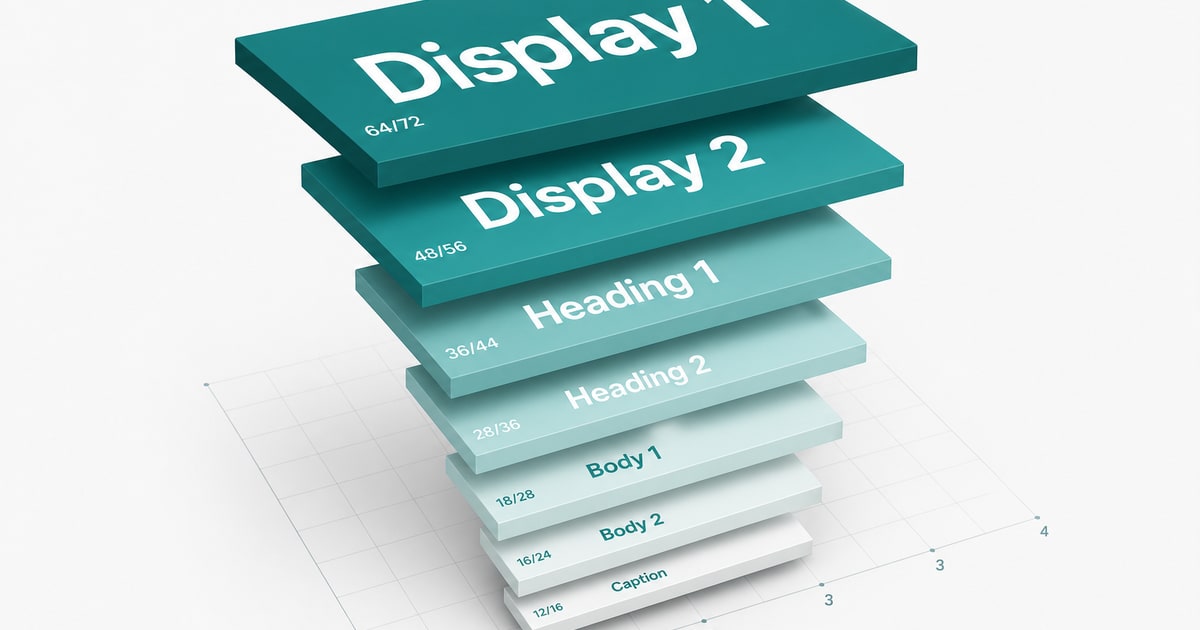
The most common culprit is font inconsistency. When a site mixes three different typefaces across headings, body text, and buttons, the visual hierarchy collapses. Nothing reads as intentional. Templates are notorious for this because they ship with generic font pairings that were never chosen for your brand, and every plugin you install potentially drops in its own styles on top. A custom build starts from a defined type scale and holds it everywhere. That constraint is what makes a site feel considered rather than assembled.
Whitespace Is Doing More Work Than You Think
Crowded layouts read as amateur even when the underlying content is strong. When elements are packed too close together, the eye doesn’t know where to rest, and the overall impression is one of low confidence. Professional design uses whitespace deliberately: padding around sections, breathing room between a heading and its body text, margins that give images context instead of clipping them tight. This isn’t decoration. It’s hierarchy. A site built on Astro with a custom Tailwind configuration can enforce consistent spacing across every component from the start. There’s no theme override to fight, no legacy CSS to untangle. The spacing is intentional because it was written intentionally.

Color misuse is the other fast signal. Sites that apply their brand color to everything, backgrounds, buttons, borders, link text, icons, dilute the very thing the color was supposed to do. Accent colors work because they’re used sparingly. When a button is teal against a white background, it draws the eye. When everything is teal, nothing is. Similarly, low-contrast text is a credibility tax: if a visitor has to squint to read your value proposition, they’re already forming a negative impression before they’ve processed what you actually do.
The Details That Separate Craft from Commodity
Image treatment is where a lot of sites quietly fall apart. Stock photos with white backgrounds dropped onto colored sections, hero images that don’t crop well on mobile, thumbnail sizes that are inconsistent across a service grid: each of these reads as something that was not thought through. Custom development means these decisions get made once and applied systematically. Image aspect ratios are defined. Alt text is meaningful. Mobile behavior is designed, not an afterthought handled by a responsive theme toggle.
Button design matters more than most people expect. If your primary call to action looks identical to a secondary link, you’ve removed the visual signal that guides visitors toward conversion. Buttons should have clear states: default, hover, active. They should be large enough to tap comfortably on a phone. They should be consistent across the site. These are not complicated requirements, but they are almost universally violated on template-built sites because templates prioritize flexibility over coherence. A custom Astro build doesn’t have flexibility as its default. It has your site’s specific requirements as its default, and that shift in starting point is exactly what makes the result look and feel different.
If your site is turning people away and you can’t name the reason, the reason is usually this: it looks like it was put together rather than designed. Ditch the bloat. Build what ranks and converts. Examples at https://concepcion-design.com.
